

I have watched Disney’s every move since I was a little girl.
When I was born, my grandfather gave me Disney stock. It was meant to pay for my education. As Disney grew, so did that stock, and over twenty years it helped fund my education, including an MBA from Wharton.
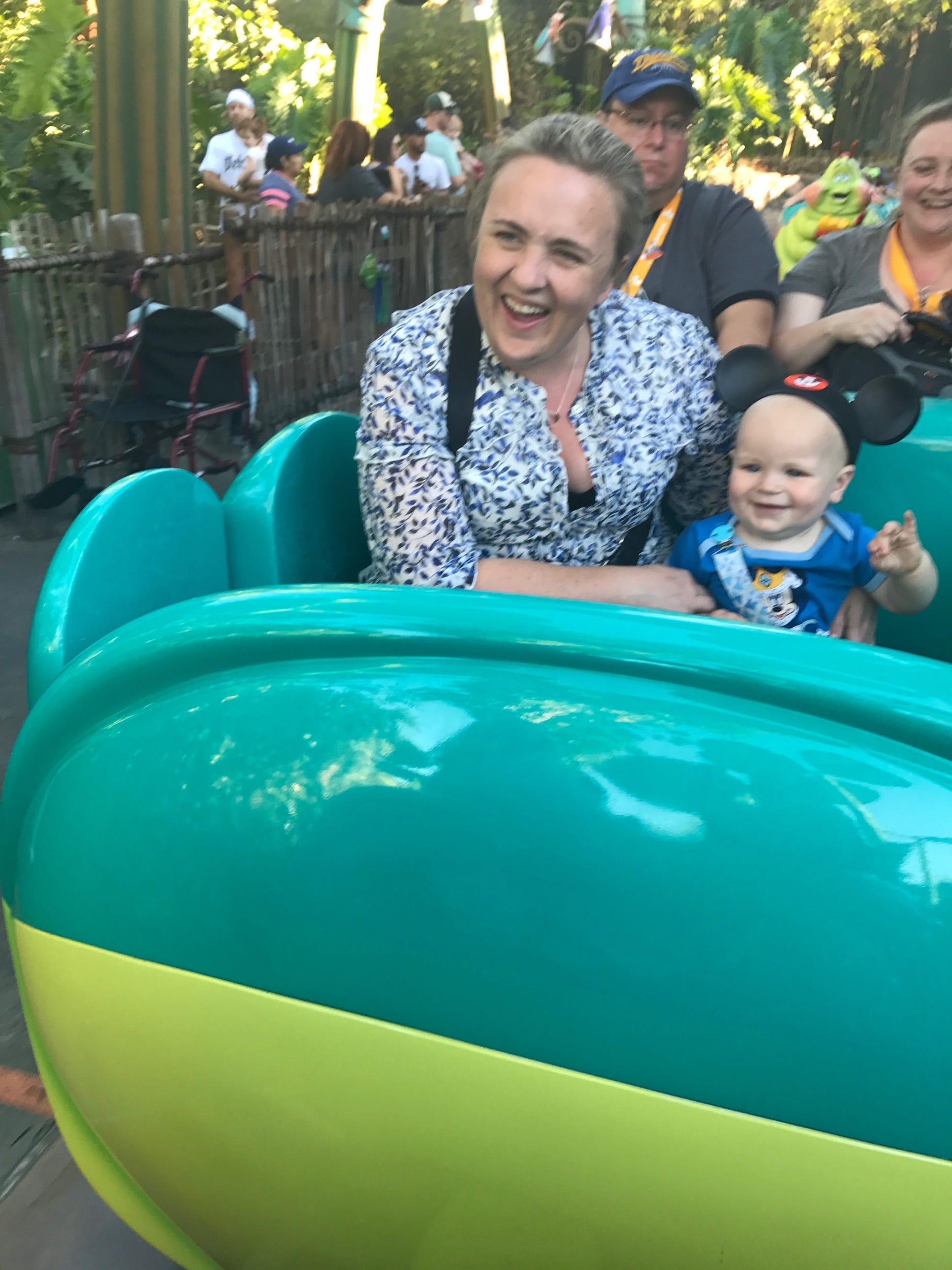
When I think about Disney, I think about it the way many of you do: it lets us dream big, make wishes, and find hope. For some people that comes through the characters, the castles, or the small dancing dolls. For me, it also comes through the company itself.
That stock paid for one of the greatest gifts of my life. It gave me the chance to make the dreams I had for my own life come true.
Today I am a venture capitalist. But Disney was the first business I ever followed.
My family went to the parks almost every year, and I started reading Disney’s annual reports when I was very young. Admittedly, at five, “reading” meant looking at the pictures. Over time I started looking at the charts. Then, once I really understood finance, I realized Disney had some of the greatest lessons in business to teach.
That is what Mouse Money is about.
I am starting with Lightning Lane Premier Pass, Disney’s top-tier way to skip the lines, because it shows Disney charging a substantial premium for flexibility inside an experience guests have already paid for. It is a lesson in willingness to pay, and in the limits of what public numbers can tell us.
Willingness to pay
One of the first concepts you learn in an MBA strategy class is willingness to pay: the most a customer will spend for a particular benefit.
Here is the subtle part. When someone buys, it shows their willingness to pay was at least the price. It does not reveal their maximum. Disney sees who buys, when, and at what price. The rest of us mostly see prices and whether passes sold out.
What Disney is selling
At Walt Disney World, Premier Pass gives a guest one entry to each available Lightning Lane attraction in a single park, with no arrival windows to schedule. It is sold separately from park admission.
Disney is not selling a new ride. It is selling a different way to experience the rides it already runs.
Premier sits at the top of a ladder. Guests can wait in the standby line at no extra cost, buy a Single Pass for one specific ride, buy a Multi Pass and book return times, or buy Premier and skip the planning altogether. Each step up trades more money for less waiting and more flexibility, and each guest picks the step that matches what they value.
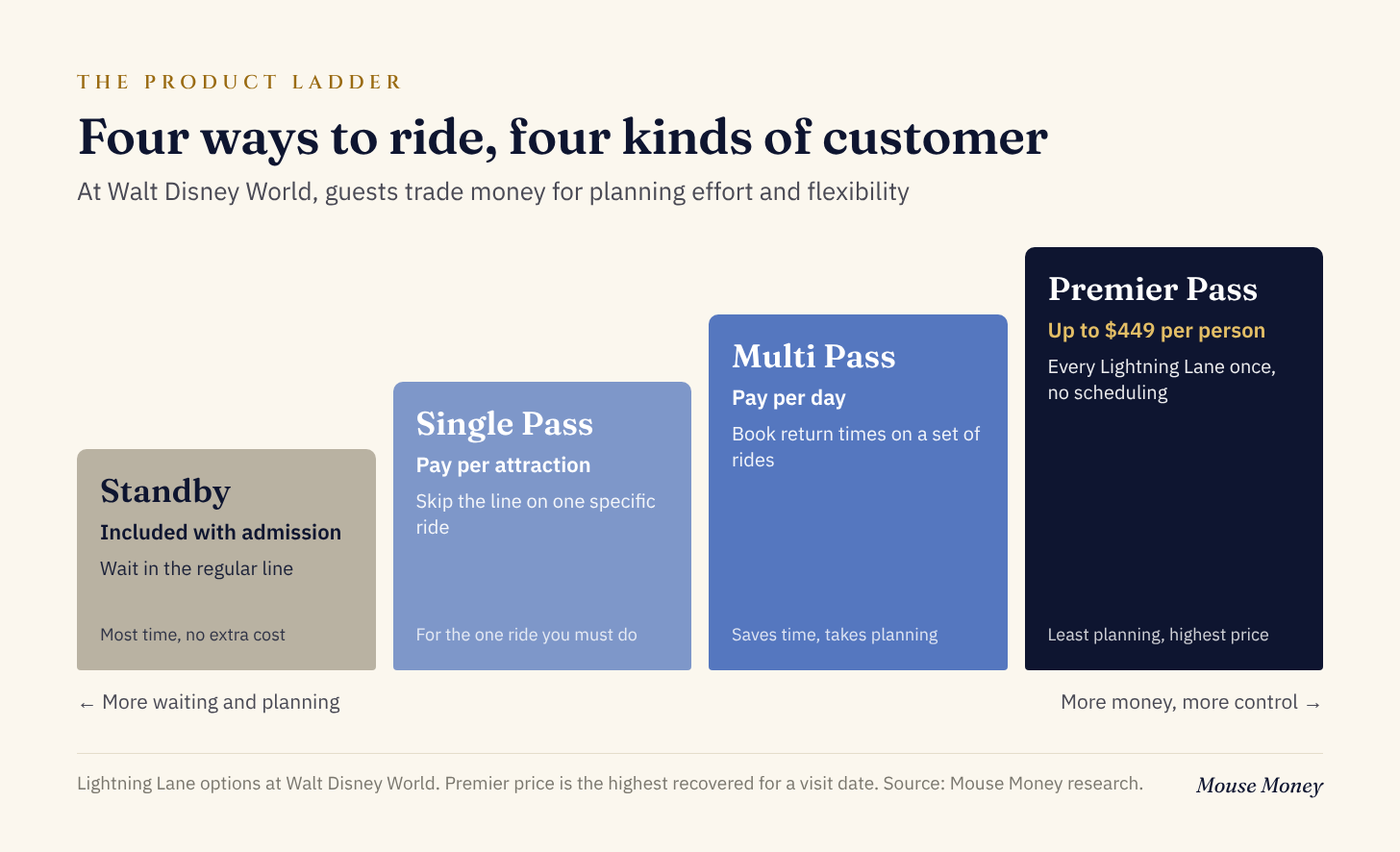
A regular visitor may be happy to plan around standby lines. Someone with one day in the park, young children, or older relatives may value control of the day far more. That is the strategy question behind Premier Pass: how much will a customer pay to make an already expensive vacation easier?
To find out, I examined historical prices, reported sellouts, management commentary, analyst coverage, and guest reactions.
The price record
I tracked Premier Pass prices for all four Walt Disney World parks on every date from its October 30, 2024 launch through October 11, 2026: 712 consecutive days and 2,848 park-date prices.
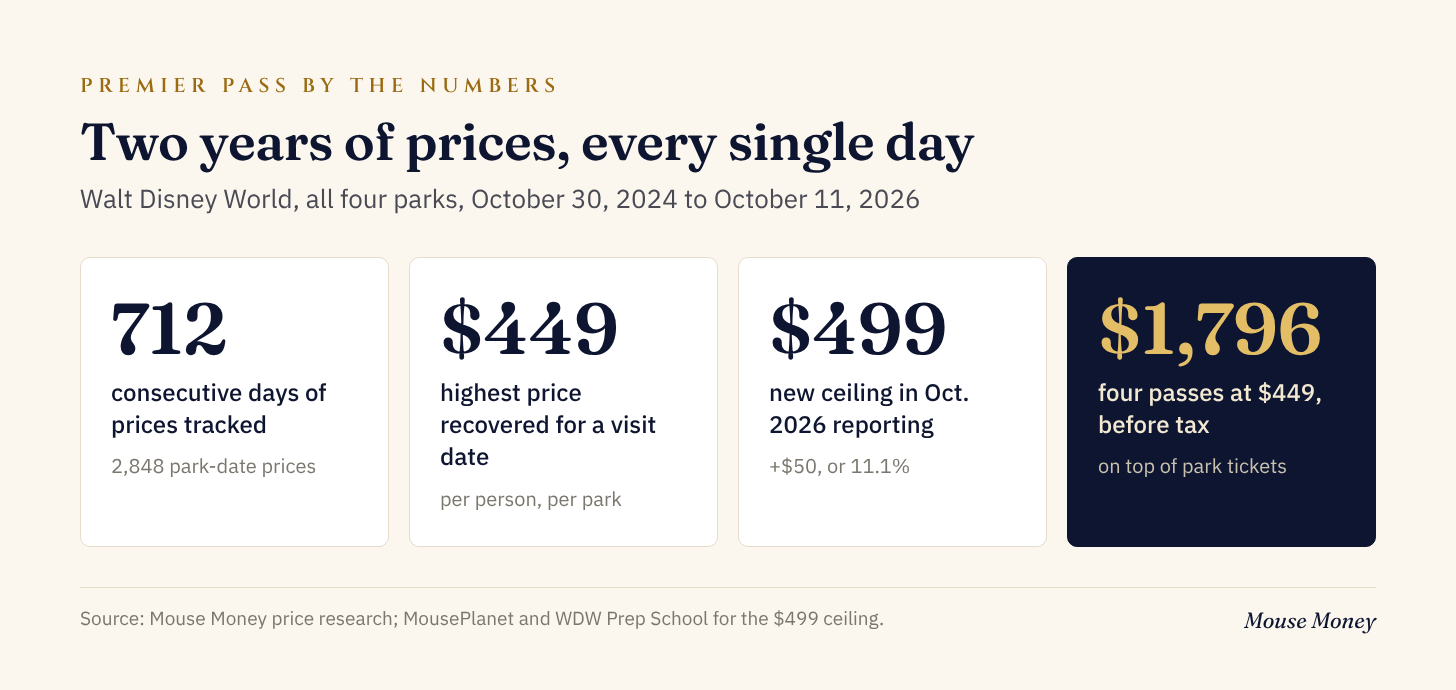
The highest price I found for a specific visit date was $449 per person, and October 2026 reporting describes a new ceiling of $499. (MousePlanet, WDW Prep School) For a family of four at $449, that is $1,796 before tax, on top of park tickets.
But prices have not simply marched upward. At Magic Kingdom, the average posted price rose 3.2%, from $387.82 to $400.27, comparing the same calendar periods a year apart. Across all four parks the increase was 1.9%, and from July to September, average prices actually fell about 5.8%.
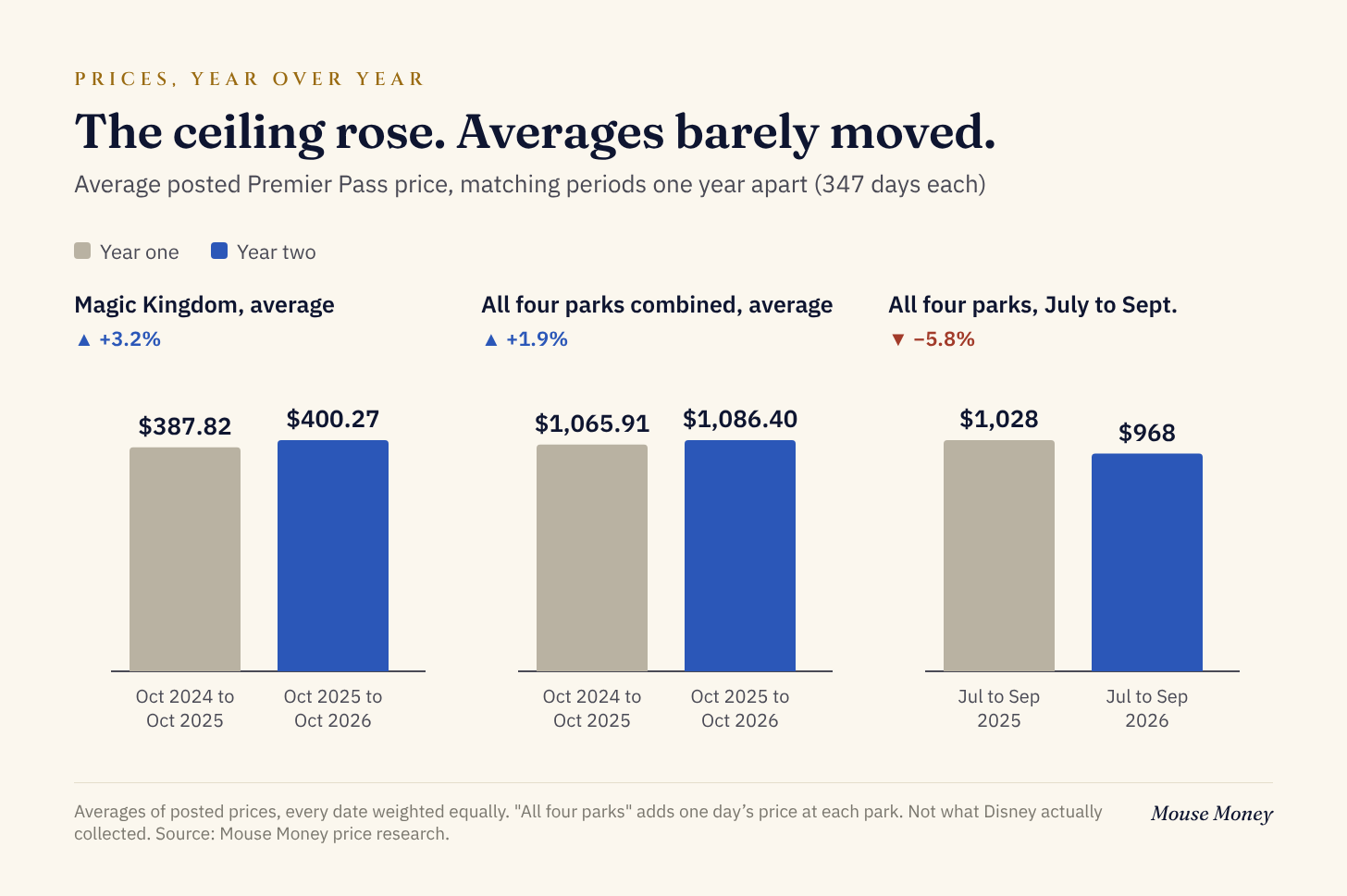
These averages weight every date equally, so they are not the average price Disney actually collected. But the pattern is clear: the ceiling rose while typical prices moved modestly. Premier is priced day by day and park by park.
Sellouts: where demand concentrates
I found 337 reported sold-out park-dates. The most interesting finding is where they happened: Magic Kingdom accounts for 162 of them, about 48%.
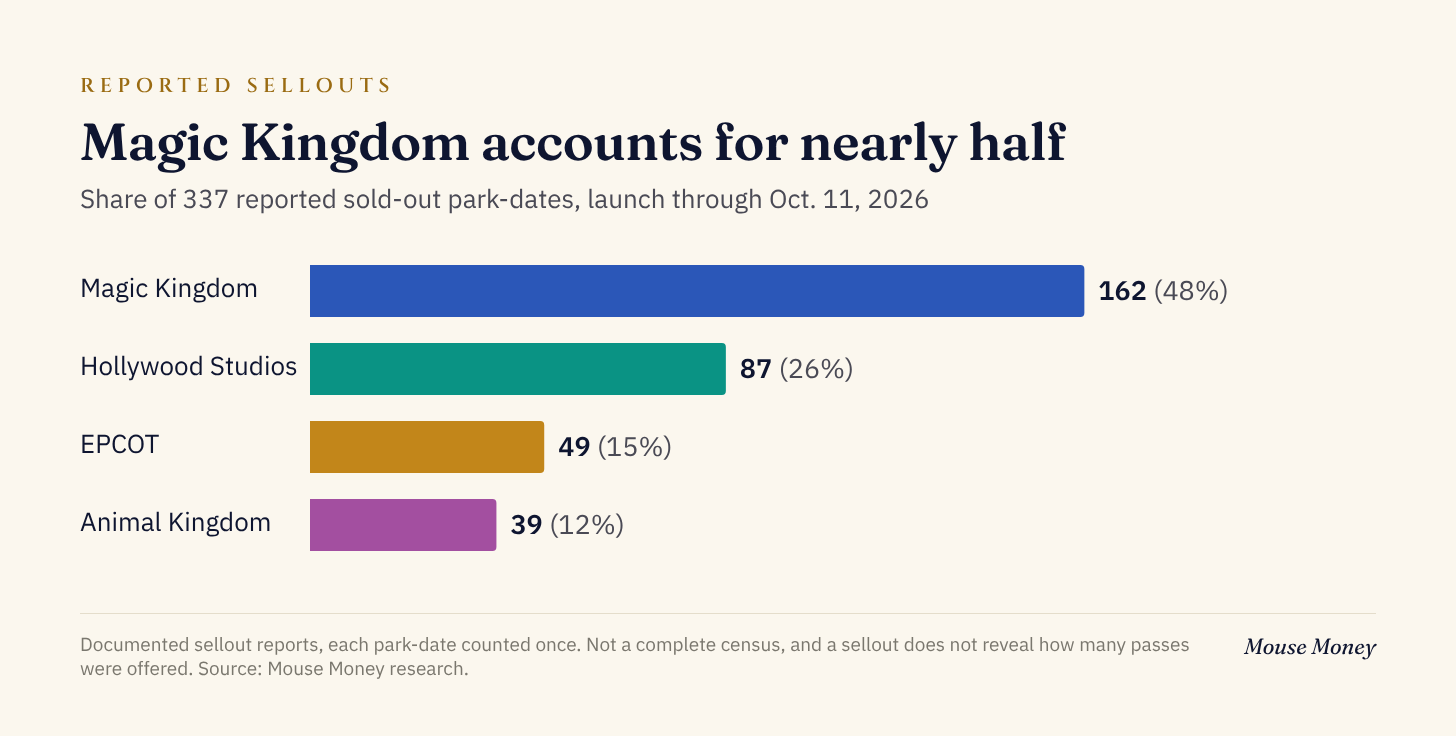
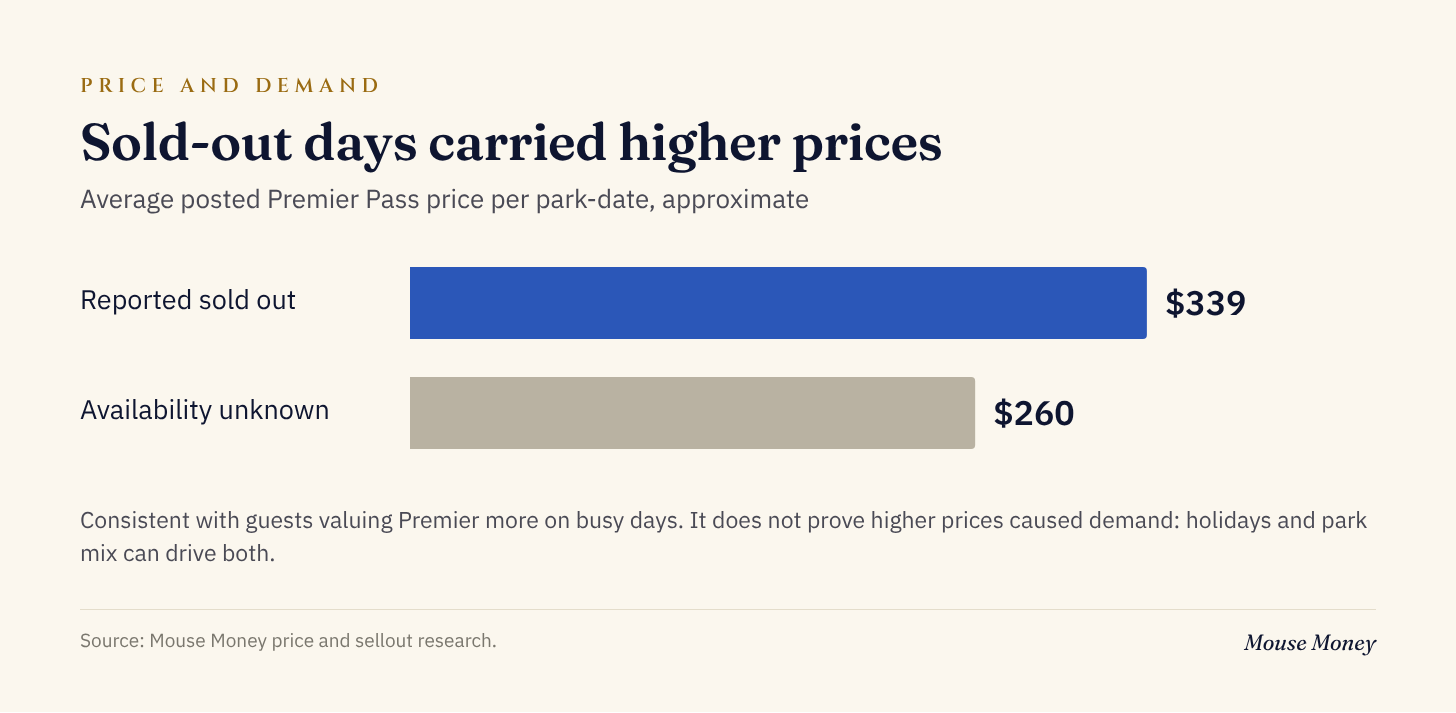
One possible explanation is that easier access is worth more where there are more attractions and longer waits. Reported sold-out days also carried higher posted prices: about $339 on average, versus $260 on other days.ut a sellout only tells us the available passes ran out. It does not tell us how many there were. One hundred passes and one thousand passes can both sell out.
How much revenue could Premier generate?
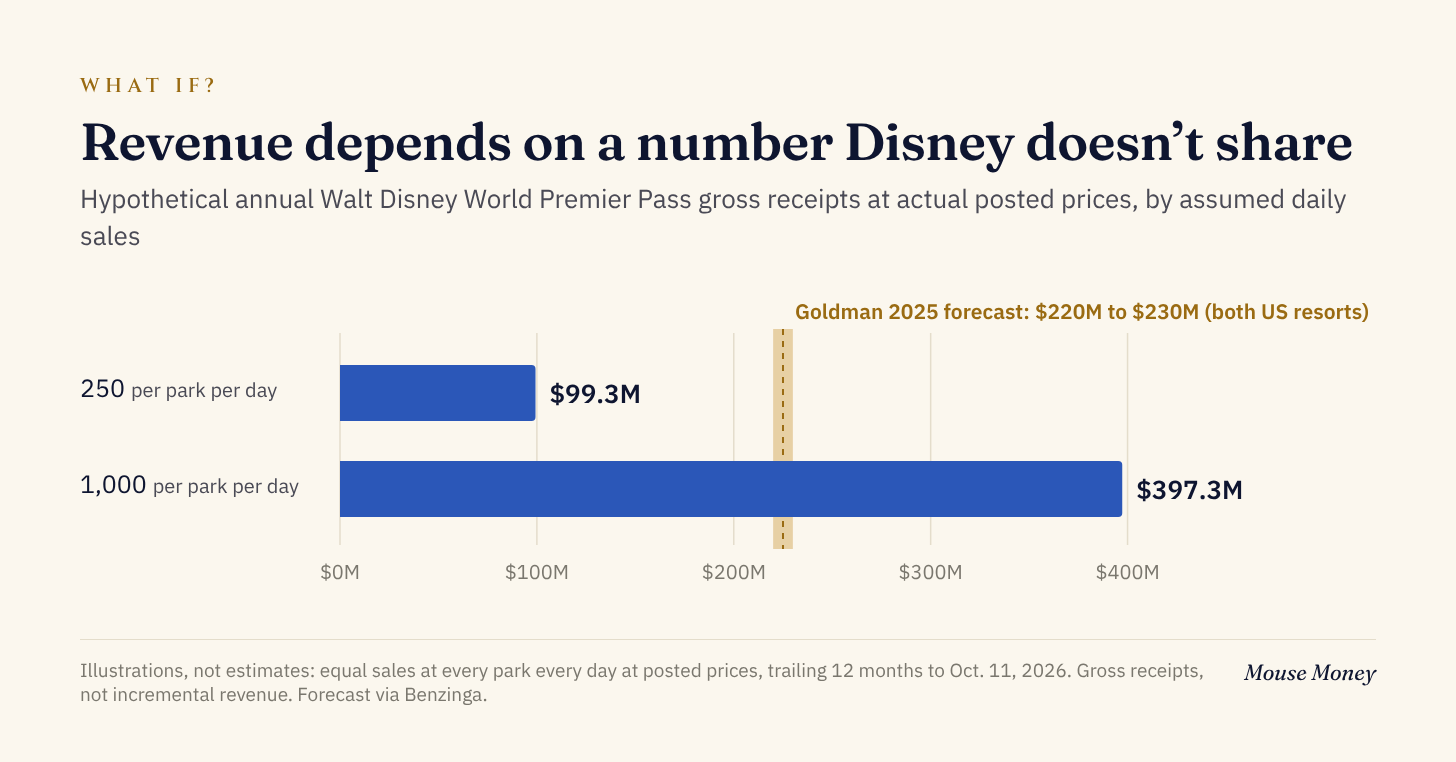
Disney does not disclose Premier Pass revenue or profit. The most concrete published forecast came from Goldman Sachs analyst Michael Ng in October 2024: about one million purchases in 2025 across the two US resorts, worth a reported $220 to $230 million. (Benzinga’s report on the Goldman forecast)
Volume is the number that matters, and it is the one we cannot see. Using actual posted prices over the past twelve months, 250 sales per park per day would add up to about $99 million a year at Walt Disney World. At 1,000 a day, about $397 million.
The more consequential question is how much of a Premier purchase is new spending, and how much replaces something Disney would have sold anyway, like a Multi Pass or a VIP tour.
As an investor, that is the question I would ask next: does Premier increase total spending per visit, or simply change where that spending goes?
Why the economics could be attractive
Premier does not require Disney to build anything new. It repackages access to attractions that already exist. But ride capacity is finite, operations and staffing still cost money, and some purchases displace others.
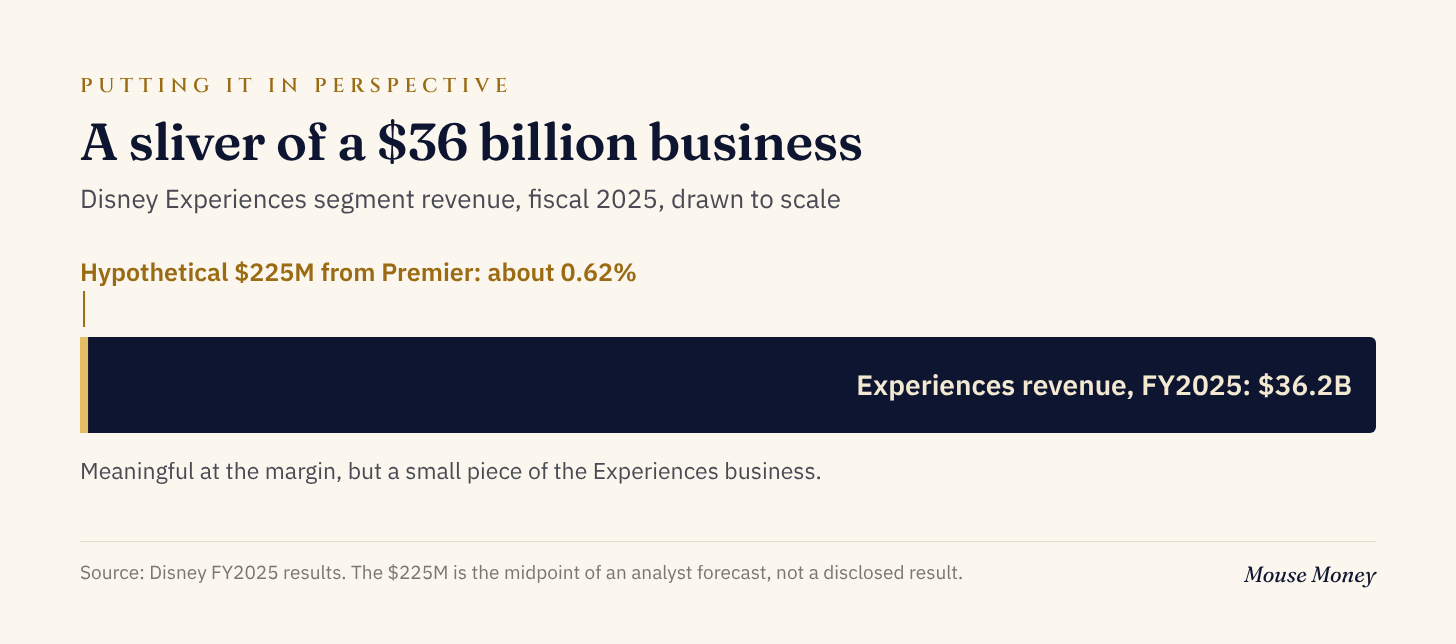
For scale, Disney’s Experiences segment reported $36.2 billion in revenue and $10.0 billion in operating income in fiscal 2025. (Disney FY2025 results) Even Goldman’s full forecast would be well under 1% of that revenue.
What guests say they are buying
Across the Reddit threads, forums, and reviews I read, satisfied buyers kept coming back to the same things:
Less time managing reservations on a phone
More freedom to change plans
Less backtracking across the park
Easier days with children or older relatives
More confidence about fitting a short or busy visit in
Critics pointed to the cost for families, cheaper alternatives, the loss of free FastPass, and the idea that guests now pay to remove planning friction from their own vacations.
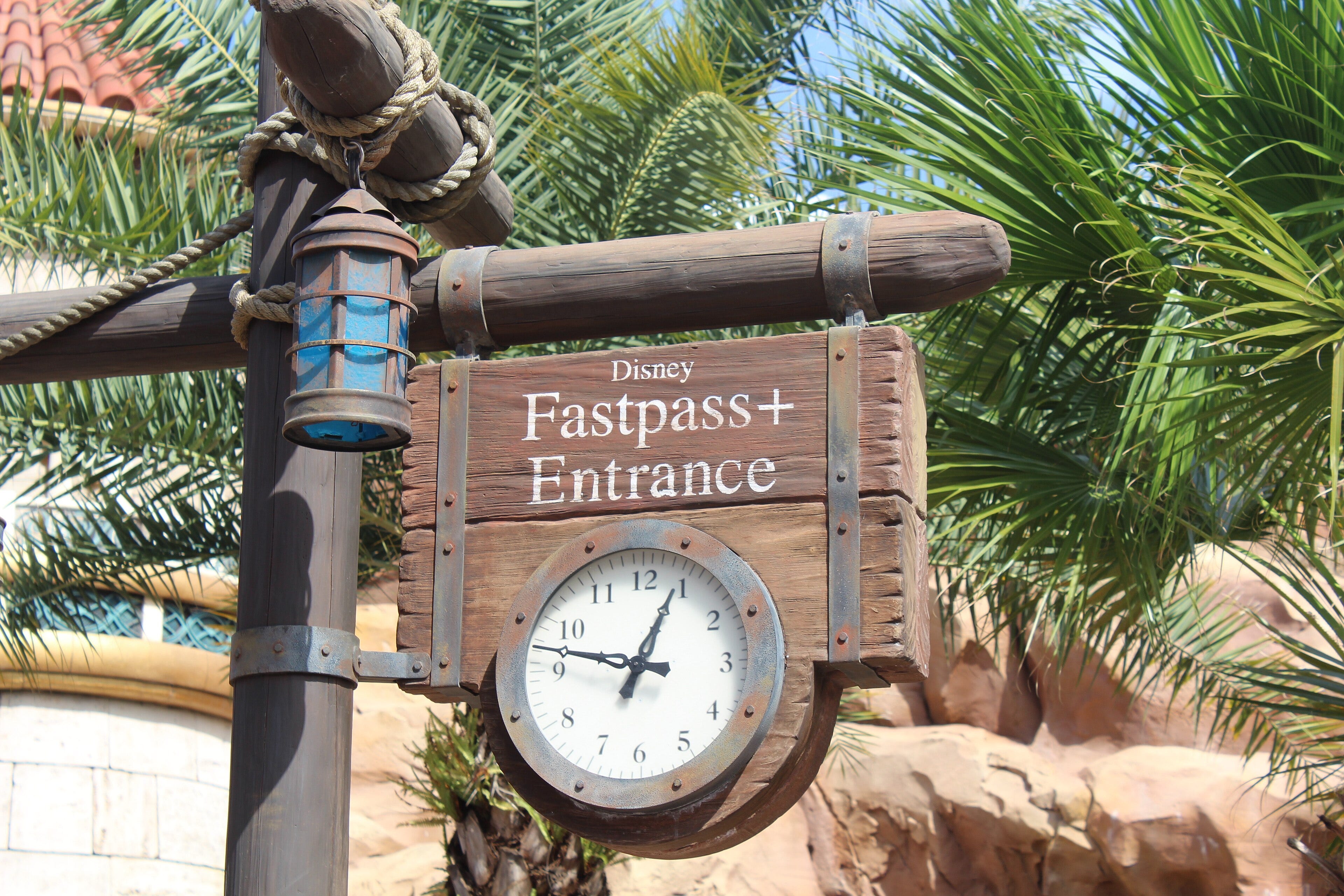
Value also varied by park. Many guests favored Premier at Magic Kingdom or Hollywood Studios, some described great EPCOT days, and Animal Kingdom drew the most skeptical comparisons.
What the premium really buys is control over time, and less work planning the day. (WDWNT Magic Kingdom review, AJC on EPCOT, Disney Tourist Blog on value)
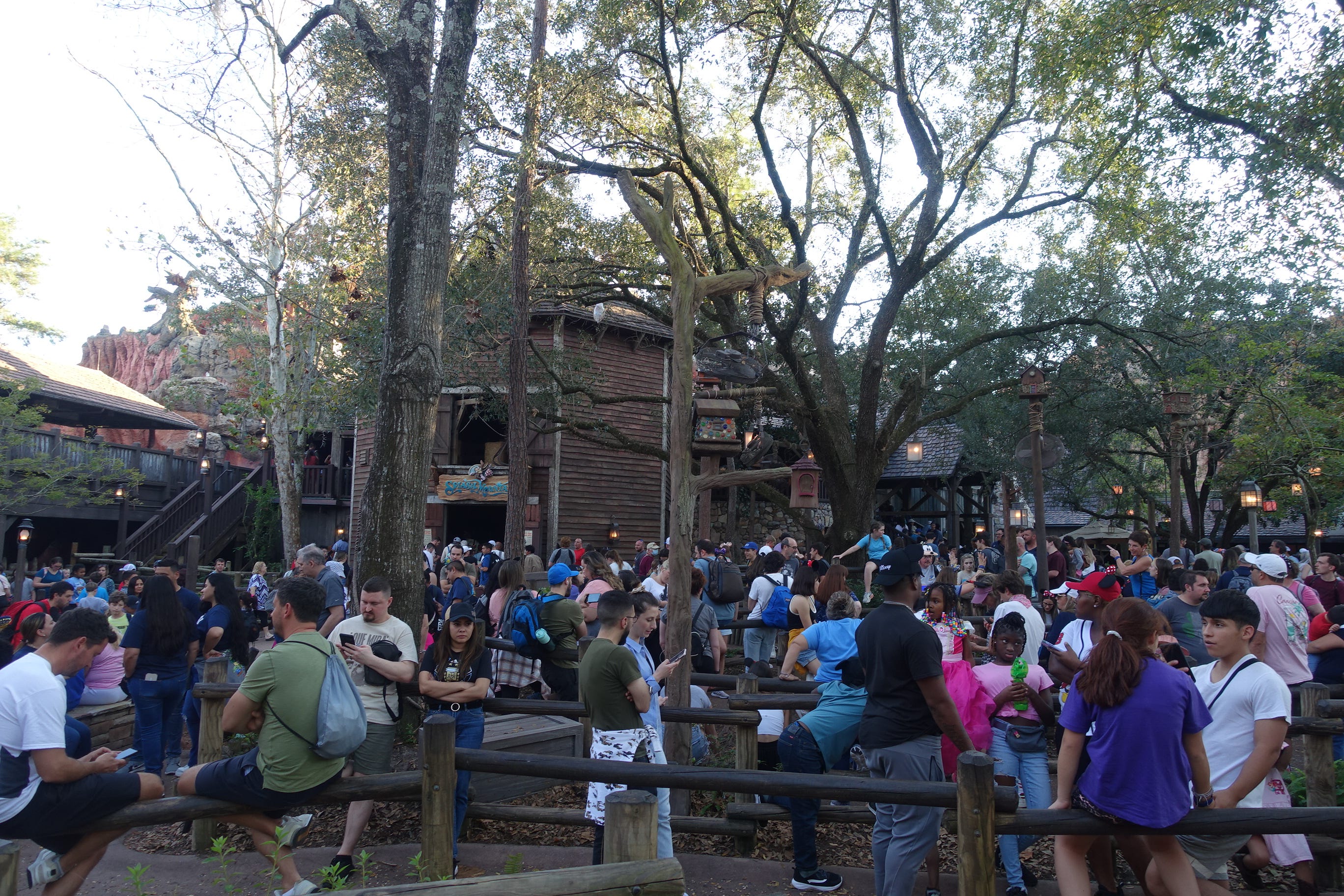
My take
I think Premier Pass is a very smart strategy. Disney adds meaningful revenue with a product that costs very little to deliver to each additional guest. As long as it stays limited, so that it doesn’t come at the expense of everyone else in the park, it’s a beautiful option.
I’ve bought it myself. Last Christmas we went with a group that included my parents, who simply don’t want to wait in line. We didn’t want to spend the day planning which ride we’d get to when. It worked. But you pay for it, and it’s not for every day.
I’m also aware of the growing perception that Disney is getting too expensive. That deserves its own discussion: what the average visitor gets with a base ticket, which add-ons are worth it, and what’s included. I’ll come back to it here.
And I think Disney is just getting started. Expect more premium tiers: more paid layers of access, perks, and add-ons across the parks and beyond.
The lesson for founders: tier your customers
This is the question I think about all the time: how do you charge for something many people see as real value, in a way that also contributes meaningfully to revenue and profit?
Disney’s answer is to stop treating every customer the same. Some visitors will happily spend time planning and waiting. Others, like my parents, will pay a substantial premium to skip it. Same park, same rides, very different willingness to pay. And the premium tier costs very little to deliver.
Disney is not alone, and you don’t have to be in travel to do this. Some of the best businesses charge for speed, access, or capability they already have:
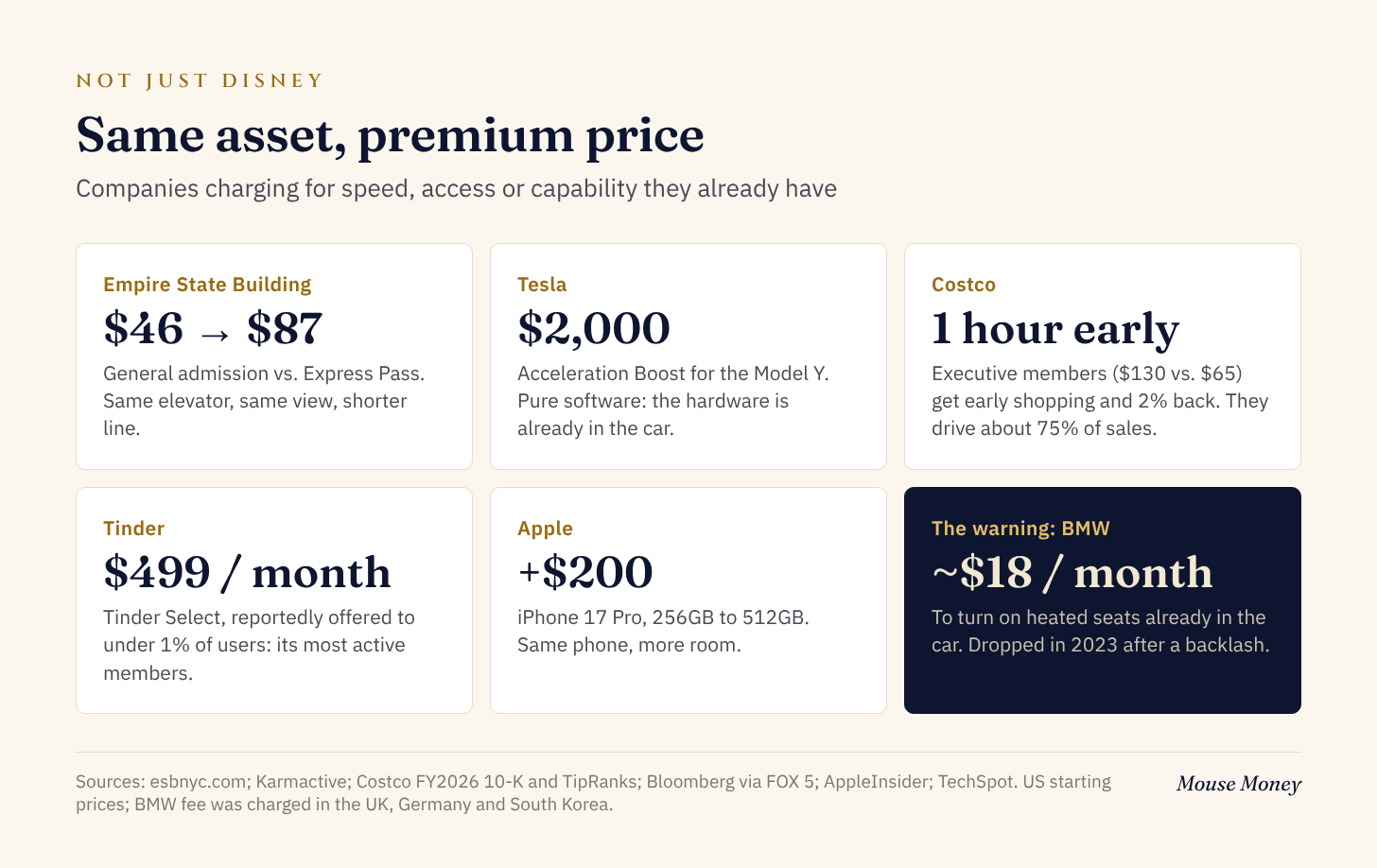
The Empire State Building sells an Express Pass from $87, versus $46 for general admission. Same elevator, same view, shorter line. (ESB tickets)
Tesla sells an Acceleration Boost for the Model Y for $2,000. It is pure software that unlocks performance the car already has, taking 0 to 60 from 4.6 seconds to 4.2. (Karmactive)
Costco Executive members pay $130 a year instead of $65 for 2% back and, since June 2025, an hour of early shopping. Opening the doors early costs Costco almost nothing, and Executive members drive about 75% of its worldwide sales. (Costco 10-K, TipRanks)
Tinder launched Tinder Select in 2023, reportedly at $499 a month, offered to fewer than 1% of users: its most active members. Every feature is software. (FOX 5, citing Bloomberg)
Apple charges $1,099 for a 256GB iPhone 17 Pro and $1,299 for 512GB. Same phone, more room, priced on what the customer values. (AppleInsider)
There is a warning, too. BMW charged about $18 a month in some countries to turn on heated seats already built into the car. The backlash was strong enough that BMW dropped it in 2023, and its head of product communications called it “probably a mistake.” (TechSpot) It is the same lesson Disney faced when free FastPass disappeared: customers will pay for added value, but they resent paying to remove a restriction you created.
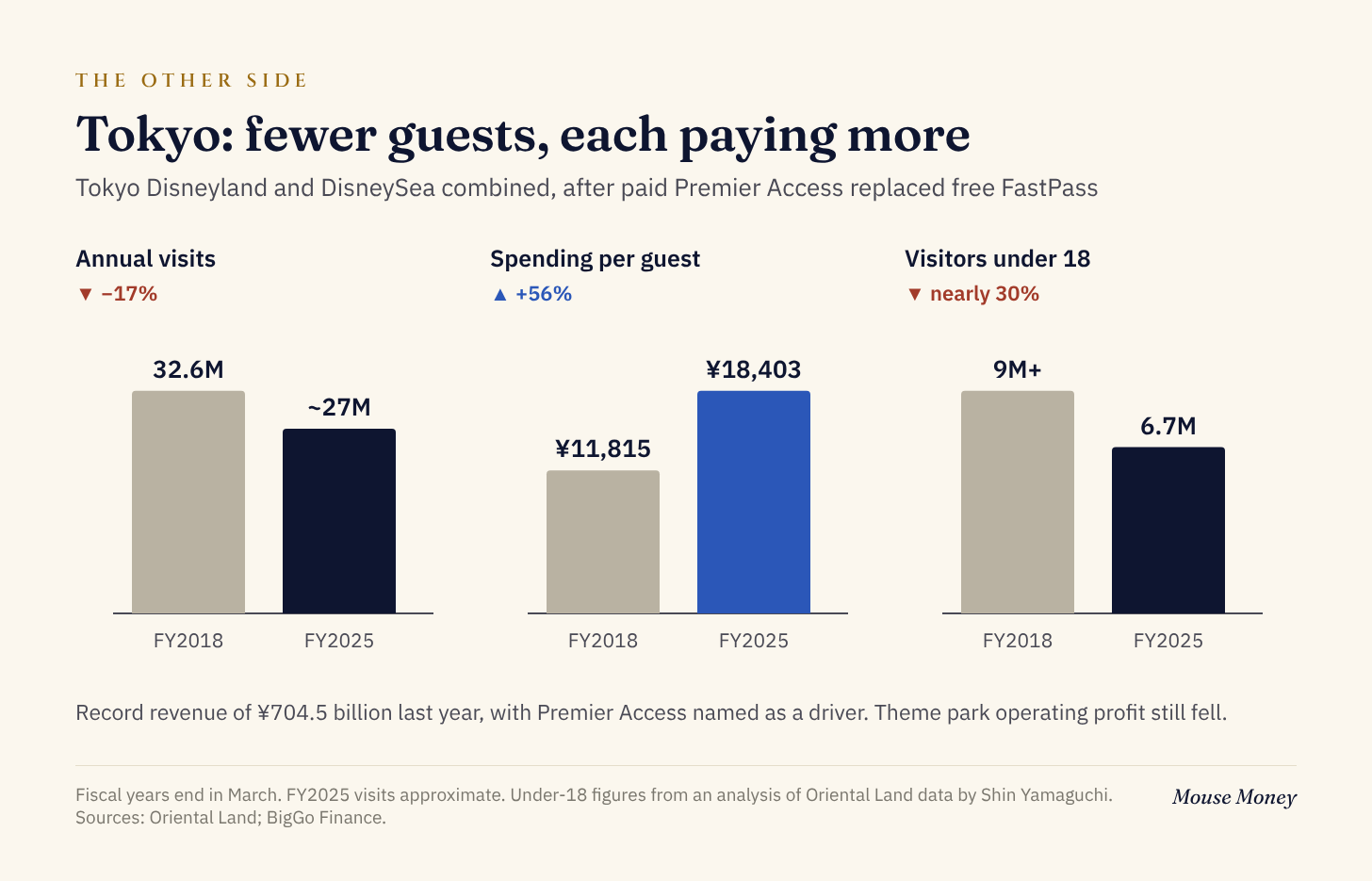
Tokyo shows the other side. After replacing free FastPass with paid Premier Access, its operator raised spending per guest from ¥11,815 in 2018 to ¥18,403 last year and set a revenue record, naming Premier Access as a driver. But visits have fallen from 32.6 million to about 27 million, and visitors under 18 are down nearly 30%. Fewer guests paying more works, until it stops building the next generation of fans. I was one of those kids.
For your own business, the menu of low-cost premiums is short:
Speed: priority service or faster turnaround
Certainty: a guaranteed spot
Flexibility: free changes or cancellation
Access: early or exclusive entry
Unlocks: capabilities you have already built
So every founder should ask: who are my different customers, what is each group willing to pay for, and what can I offer them using assets I already have?
The takeaway
Premier Pass shows how much some customers value control over their time. Disney’s challenge is to capture that value while preserving the experience that makes the premium worth paying.
For me, that combination of strategy, customer psychology, and open financial questions is why Disney is still such a fascinating business.
I started by looking at the pictures in its annual reports. I am still finding new things to study.
Have you ever paid to skip the line at Disney? Was it worth it, or are you a standby loyalist? Tell me in the comments. I’ll share the best answers in a future issue.
How I did this: Prices were collected for all four Walt Disney World parks for every date from October 30, 2024 through October 11, 2026. Where sources disagreed on a price (30 park-dates), both values were kept. Sellouts are documented reports counted once per park-date, not a complete record. Price averages weight every date equally. Revenue figures are illustrations, not estimates; Goldman’s reported assumptions reconstruct to $214.9 million, slightly below its headline range. Tokyo figures come from Oriental Land’s results and BigGo Finance.
Mouse Money is independent analysis and is not affiliated with The Walt Disney Company.